

Joseph Bogaard, board chair, grew up with his parents and three siblings near the foothills of the San Gabriel Mountains in southern California. He first got hooked on Northwest salmon and restoration efforts while in graduate school where he authored a paper in the early-1990s, exploring the then-relatively recent Snake River salmon listings under the Endangered Species Act. Joseph began working for Save Our Wild Salmon in 1996 as an organizer; he’s been its executive director for the last eight years. Before joining the SOS team, Joseph spent nearly ten years teaching and working and exploring in the lands and waters of the American West - including as a backcountry crew leader for the Student Conservation Association, wilderness ranger in North Cascades National Park, and trail crew in Washington and Idaho. Today, Joseph lives on outside of Seattle with his wife Amy and two children Liesl and Jeremiah.

Natalie Fobes has photographed and written about a diverse range of subjects: the environment, Indigenous cultures, social issues, and wildlife. The Pulitzer Prize finalist has shot assignments for National Geographic, Smithsonian, Audubon and other major magazines. Natalie’s photographs of the Exxon Valdez Oil Spill in Alaska are iconographic and she is known as the “salmon lady” due to her 10-year project photographing and writing about the salmon and the cultures of the salmon around the Pacific Rim for her book and traveling exhibit, "Reaching Home: Pacific Salmon, Pacific People." In 1995, Natalie co-founded Blue Earth Alliance, a non-profit that has helped well over 200 photographers and filmmakers do documentary projects about the environment, endangered cultures and social issues. Natalie and her family live on a bluff overlooking Puget Sound.
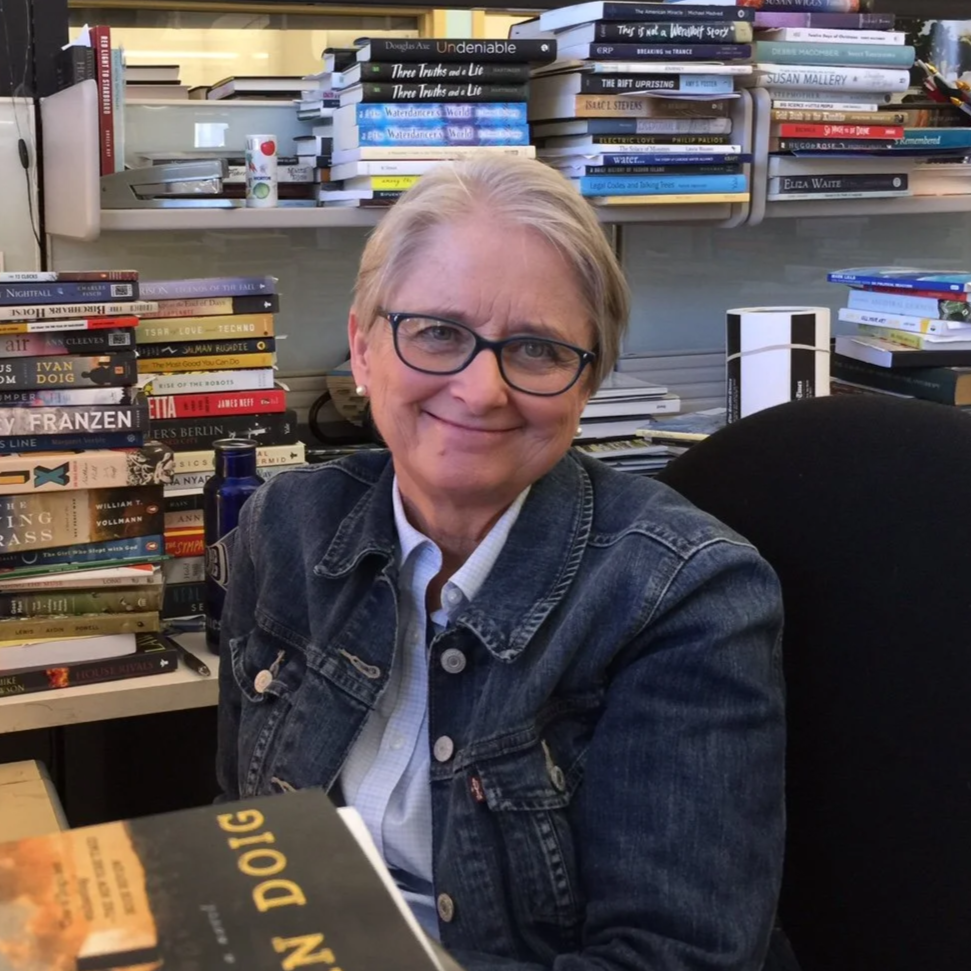
Mary Ann Gwinn writes about books and authors for Kirkus Reviews, the Los Angeles Times and other publications. For 34 years she worked in the Seattle Times newsroom as a reporter, feature writer and editor, and in 1990 she won a Pulitzer Prize in National Reporting for her contribution to Seattle Times coverage of the Exxon Valdez oil spill.
From 1998 to 2017 she was the Seattle Times book editor, directing coverage of the vibrant Seattle literary scene and producing a weekly column. She was the co-host of Well Read, a national books and authors television show that ran on PBS stations. She served as a judge for the 2017 Pulitzer Prize in fiction and a juror for the 2024 Kirkus Prize in nonfiction. She currently serves on the board of the National Book Critics Circle. When she’s not reading, she sings in a choir and walks the sidewalks of West Seattle with her Cardigan corgi.

Ardi Kveven is a northwest native that is inspired by this place. Ardi has engaged youth in the natural world by using the Salish Sea as a classroom throughout her career. Immersed in marine science at the University of Washington for her bachelor’s degree and Western Washington University for her master’s degree, Ardi also holds a United States Coast Guard 100 ton Master’s License and serves as the captain of the 34 foot research vessel, the Phocoena. Believing in the power of relationships as a way to facilitate meaningful learning, Ardi created the Ocean Research College Academy at Everett Community College, a magnet program for high school juniors and seniors that engages students through interdisciplinary research grounded in the Salish Sea.

JoAnn Mills, board secretary, has worked over twenty years with leaders across the nonprofit landscape. Her expertise is designing major campaigns to support ambitious projects central to achieving mission-based aspirations. Her strength is assessing internal and external challenges, identifying opportunities and assets, and mobilizing staff and volunteers around a road map for forward movement. She finds working with leaders who take on transformational change especially rewarding. As a lead consultant with The Collins Group and Campbell & Company, she has worked primarily in the Northwest and Hawaii with arts, environmental, social service, research, healthcare, animal welfare, and educational institutions. She received her BA from the University of Washington Jackson School of International Studies, and a masters certificate in leadership coaching from Fielding University in California.
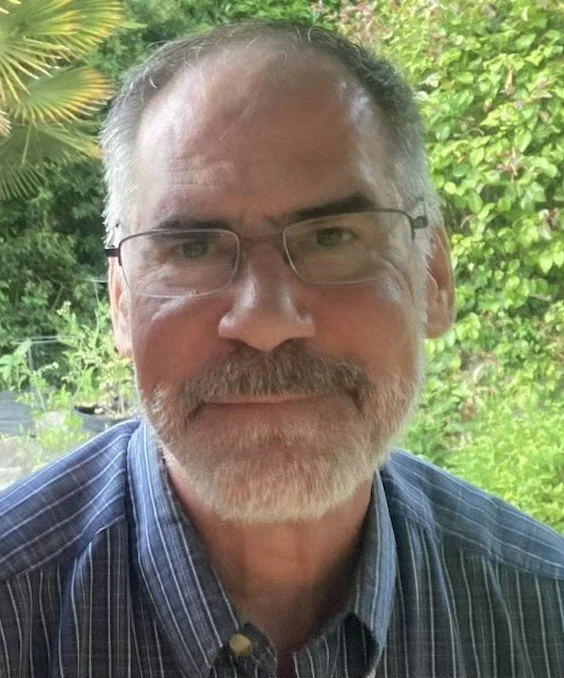
Rich Reichley is originally from Washington, D.C. He served for ten years in the U.S. Army before finishing college and business school. In the go-go dot.com heydays, he initially worked in a dot.com start-up and then a tech behemoth before realizing he felt no personal connection to their next-better-widget mission and fixation on financial gain. So, he performed a midlife career backflip into museum administration. Starting as a 40-year-old intern, he went on to become the director of finance and administration at the Hirshhorn Museum and Sculpture Garden and later the National Portrait Gallery, both of the Smithsonian Institution, over 17 years. During many years of summer hiking trips to National Parks out west, he developed a strong desire to live in the Pacific Northwest and in 2024 re-relocated to Seattle, where he has continued his career in cultural nonprofits. As of July 2026, he is the director of finance and operations at the Oxbow Farm and Conservation Center in Carnation, Washington.

Rob Smith is Northwest Regional Director for National Parks Conservation Association, the citizen advocacy voice for the national parks. Prior to coming to NPCA, Rob worked for three decades with the Sierra Club in the Southwest doing advocacy, organizing, communications and lobbying to save special places and to defend clean air and water. He grew up between the Northwest and the Midwest before going to Bowdoin College in Maine. One of the experiences that shaped his passion for the outdoors and the Northwest was hiking along the remote Olympic coastline during a high school outing. When it’s too rainy to go out, Rob enjoys reading through the stacks of books at home and looking at maps to plan future trips.
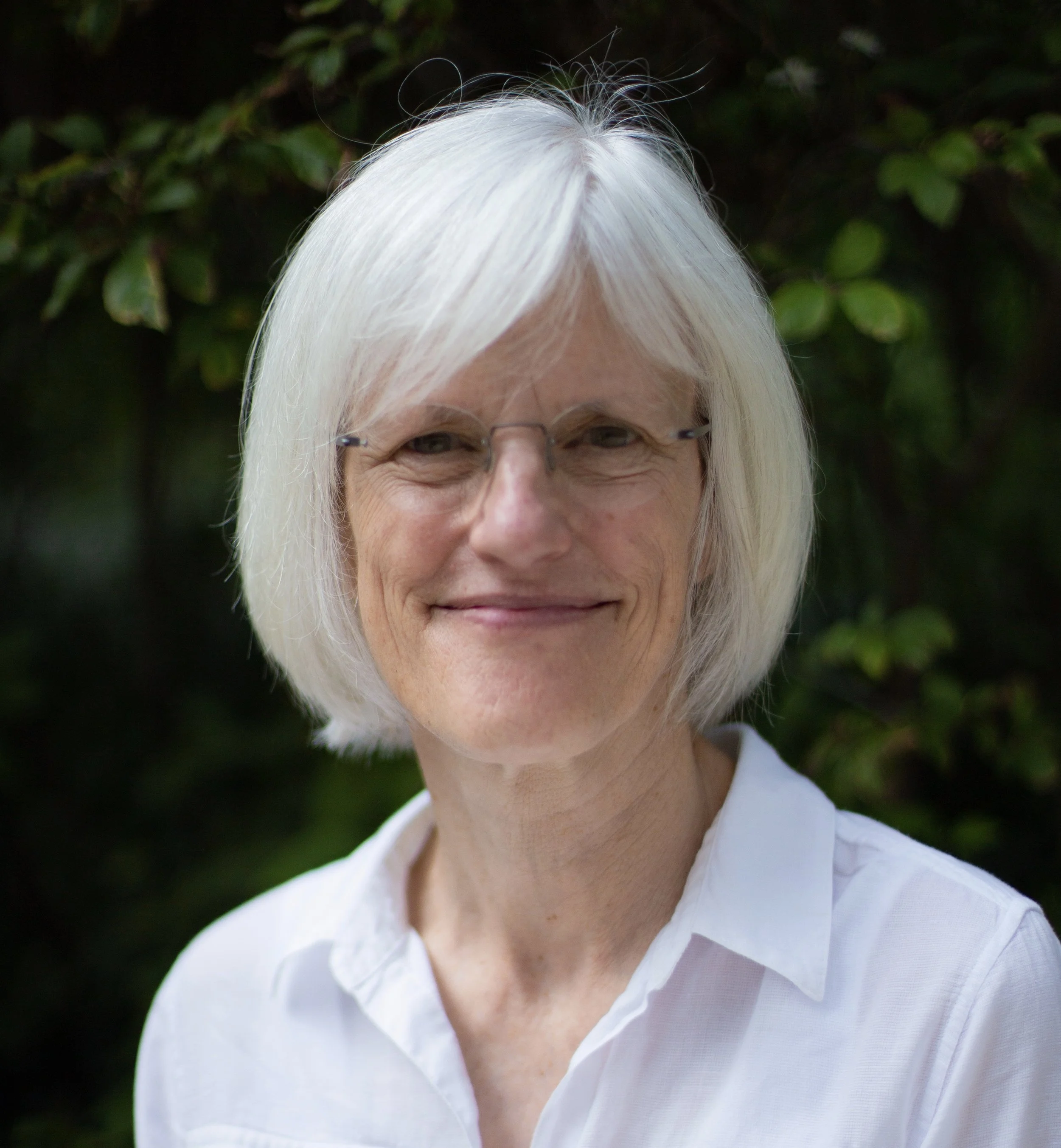
Erin Younger grew up in the Pacific Northwest, moving to California for college and Arizona for graduate school. Her first professional job was at the Heard Museum in Phoenix. Returning to Seattle in the 1980s, she worked in public funding at 4Culture and Humanities Washington until joining the Burke Museum staff in 1995. There, she oversaw programs and exhibits before shifting to institutional planning for the new museum. She and Helen first met in 2002 when the Burke hosted Subhankar Banerjee’s Seasons of Life and Land exhibition—ushering in years of co-produced traveling exhibitions connected to Braided River books. Now living in DC, Erin is a research associate at the Smithsonian’s Folklife Festival. She returns to the Northwest whenever she can—especially in the summer!
Banner photo: David Moskowitz | Caribou Rainforest