Every iconic Braided River campaign starts with an artist behind the lens, working to capture the profound love and wonder we have for wild and sacred lands, wildlife, and human communities who depend on them. Welcome to the first edition of our series where we spotlight the creatives helping to turn awe into action.
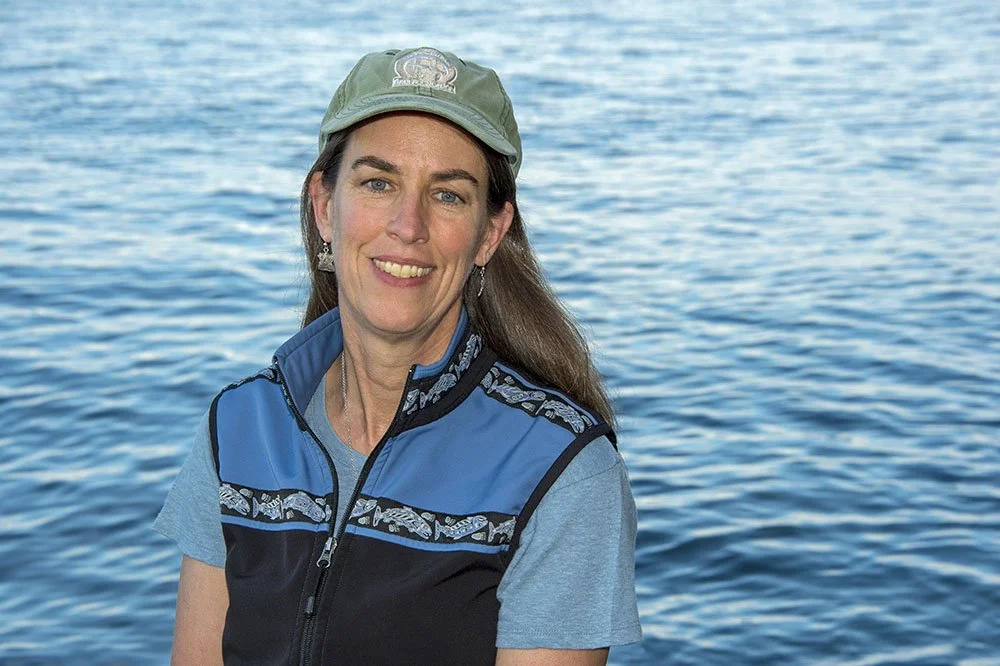
Renowned writer and photographer Amy Gulick is a two-time Braided River author whose work has helped audiences see Alaska’s wild places and the people connected to them. Amy is a founding fellow of the International League of Conservation Photographers, and a grantee of Braided River’s Overlooked & Untold Stories fund. She has received honors from the Society of American Travel Writers Foundation, the Alaska Conservation Foundation, the Alaska Wilderness League, and the North American Nature Photography Association. Her work has been featured in Smithsonian, Audubon, National Wildlife, Outdoor Photographer, and other publications.
In this technology and trend-driven society, Amy is adamant that you do not need a feature film or anything flashy to move people; you need a story well told. She is drawn to this work because she’s “seen the power that stories have to influence people, to wake them up, and to understand a community or place in a way that’s memorable and gives them hope.”
Through photography books and events, Amy invites people to experience a story as if they were with her in the field, saying, “there’s no better way to help people understand what it is we’re trying to conserve.”
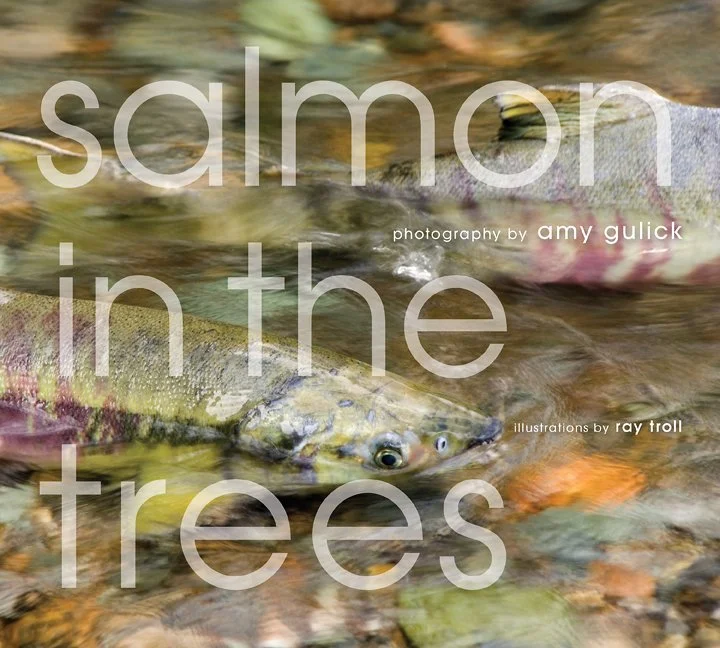
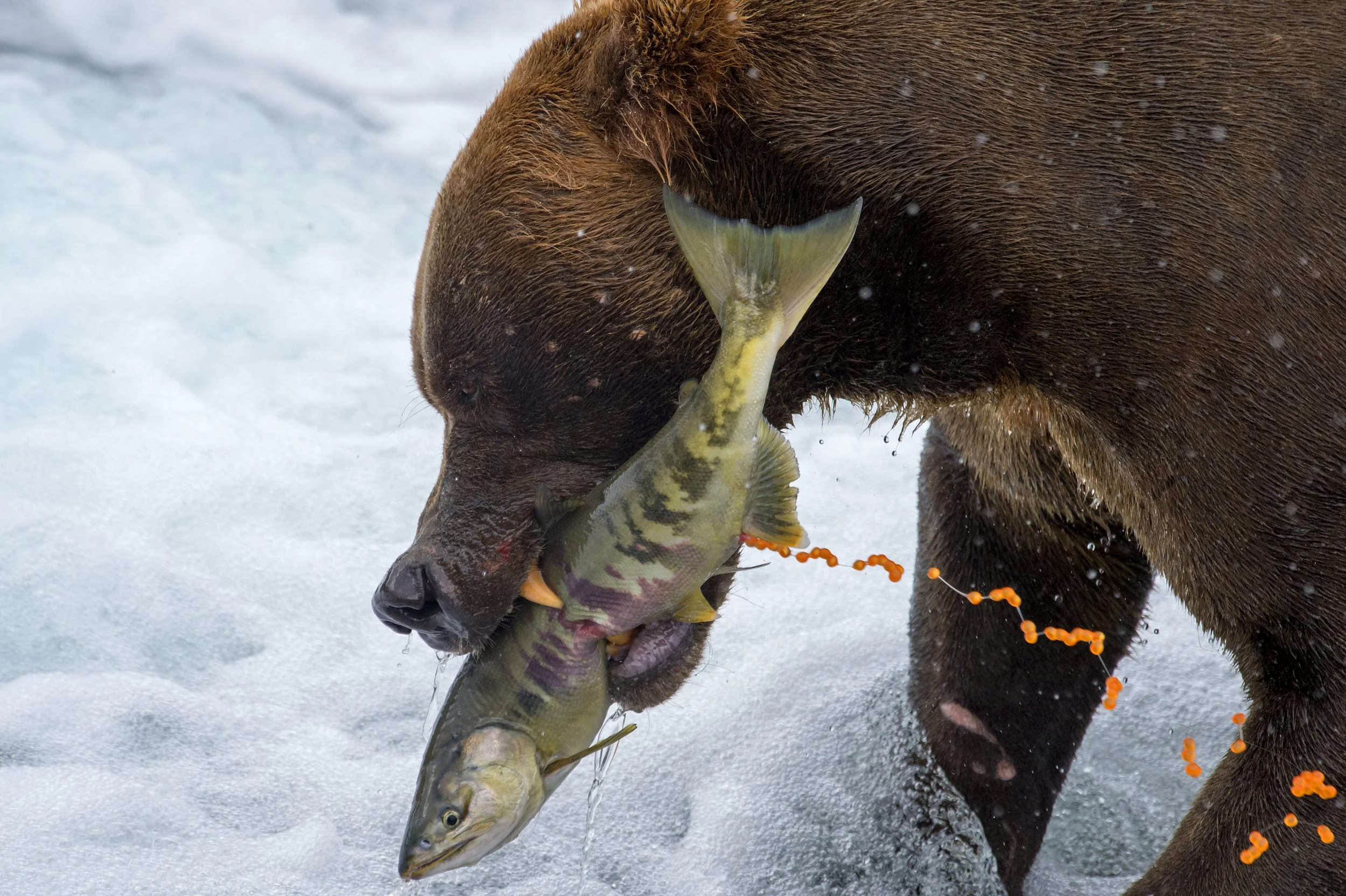
Amy published her first book with Braided River, Salmon in the Trees: Life in Alaska’s Tongass Rain Forest, in 2010. This award-winning photography book explores one of the rarest ecosystems on Earth: Alaska’s Tongass National Forest. This National Forest, encompassing nearly 17 million acres in Southeast Alaska, is the largest in the United States, covering thousands of islands rich in abundance. In the Tongass, everything is interconnected—salmon swim upstream, feeding some of the highest densities of grizzly bears, black bears, and bald eagles. Their remains decompose, fertilizing the surrounding flora, where their ocean-derived nutrients have appeared in the dense old growth of the Tongass for centuries.
Research on the presence of salmon in trees was relatively new, beginning in the 80s and 90s, and as with much good science, most of it had never reached a broad public audience. While doing preliminary research, a light turned on for Amy. She knew she had something different—a unique story to tell of the Tongass. During her trips to the National Forest, Amy was surprised to learn that not many people knew about the connection between Wild Pacific salmon and forested ecosystems.
Today, these critical habitats in the Tongass National Forest are at risk as the U.S. Department of Agriculture moves to withdraw Roadless Rule protections that currently prevent new taxpayer-funded logging roads and timber harvest in inventoried roadless areas. Removing these protections could open some of the Tongass’s remaining wild, intact watersheds to increased logging and road building, threatening the forests, rivers, and estuaries that salmon depend on. Protecting the Tongass means protecting the salmon, communities, and way of life that depend on keeping these ecosystems intact. To Amy, rescinding the Roadless Rule is both a legal and moral issue, saying “the United States government is responsible for protecting the public trust, the law, public lands, and Tribal sovereignty. Rescinding the Roadless Rule is a breach of public trust."
There are several ways to take action: contact your members of Congress and urge them to protect the Tongass; submit a public comment directly through the Federal Register before the September 21 deadline; or use SalmonState’s action tool to make your voice heard. Whether you live in Alaska or care about wild salmon, healthy forests, and wild places from afar, your comment matters.
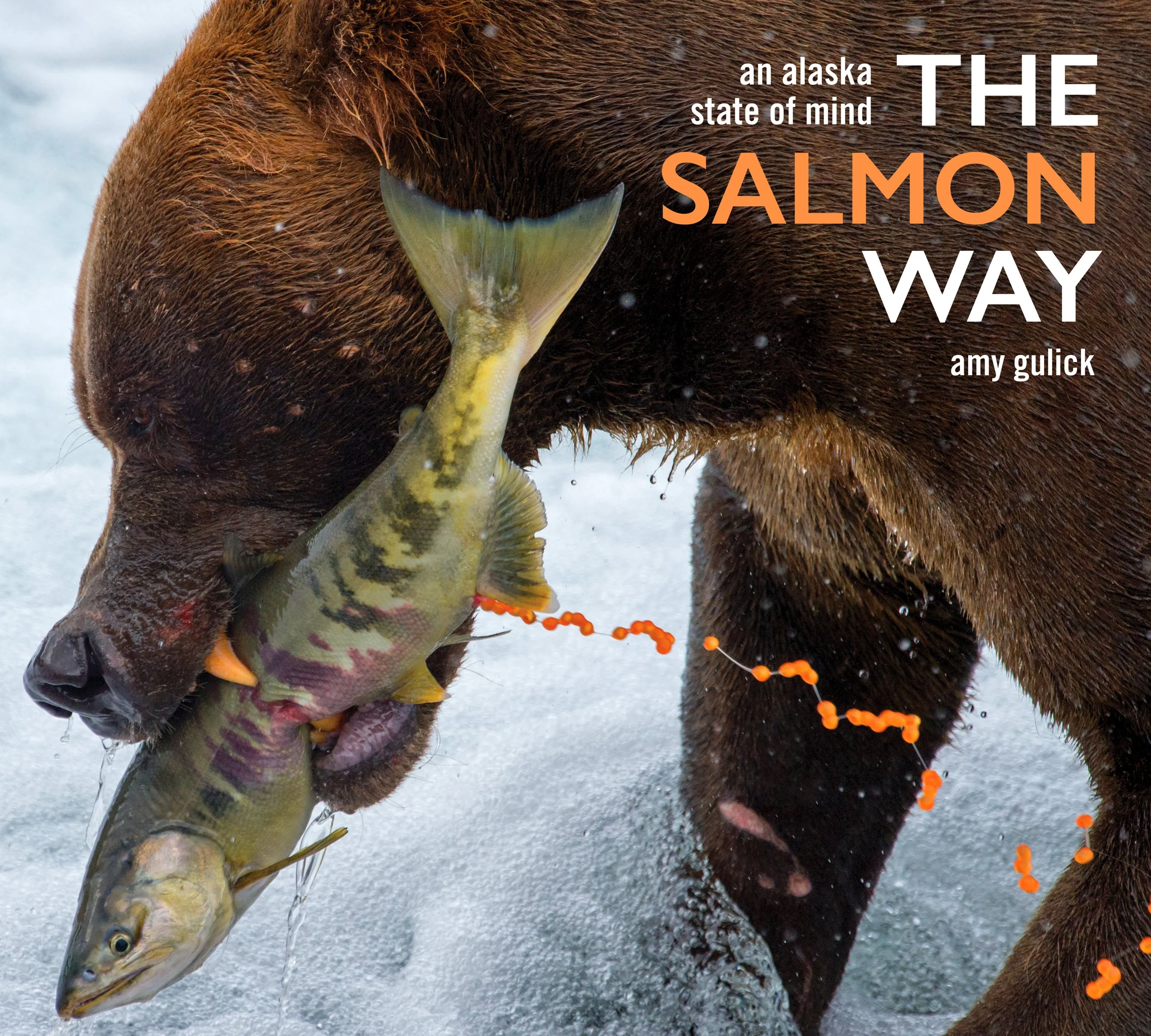
Nearly a decade later, Amy continued her path with Braided River, publishing The Salmon Way: An Alaska State of Mind. Building on her work on Salmon in the Trees, this breathtaking multi-media impact campaign explores the web of human relationships that revolve around wild salmon in Alaska. Salmon provide a fundamental source of food, livelihood, and identity, and connect generations of Alaskan communities.
Amy focused on the special relationship between Alaskans and salmon because policies will always impact communities, their homestreams, and the salmon—this work will never lose its spark. Amy’s people-centered approach challenged the traditional conservation approach, which often focuses on a particular species or landscape. However, the purpose of The Salmon Way is to save our relationship with this resilient fish. From commercial and sport fisherman to Indigenous people whose culture thrives on salmon and everyday Alaskans fishing to fill their freezer for winter, Amy was impressed by the collection of similar responses she received while working in community. Their heartfelt responses ultimately touch on universal human values.
The Salmon Way later flourished into a traveling photography exhibit of 15 large-scale photographs that traveled from Seattle to Washington D.C., illustrating the beautiful and enduring connections between people and these life-defining fish.
And Amy’s commitment to Alaska didn’t stop there.
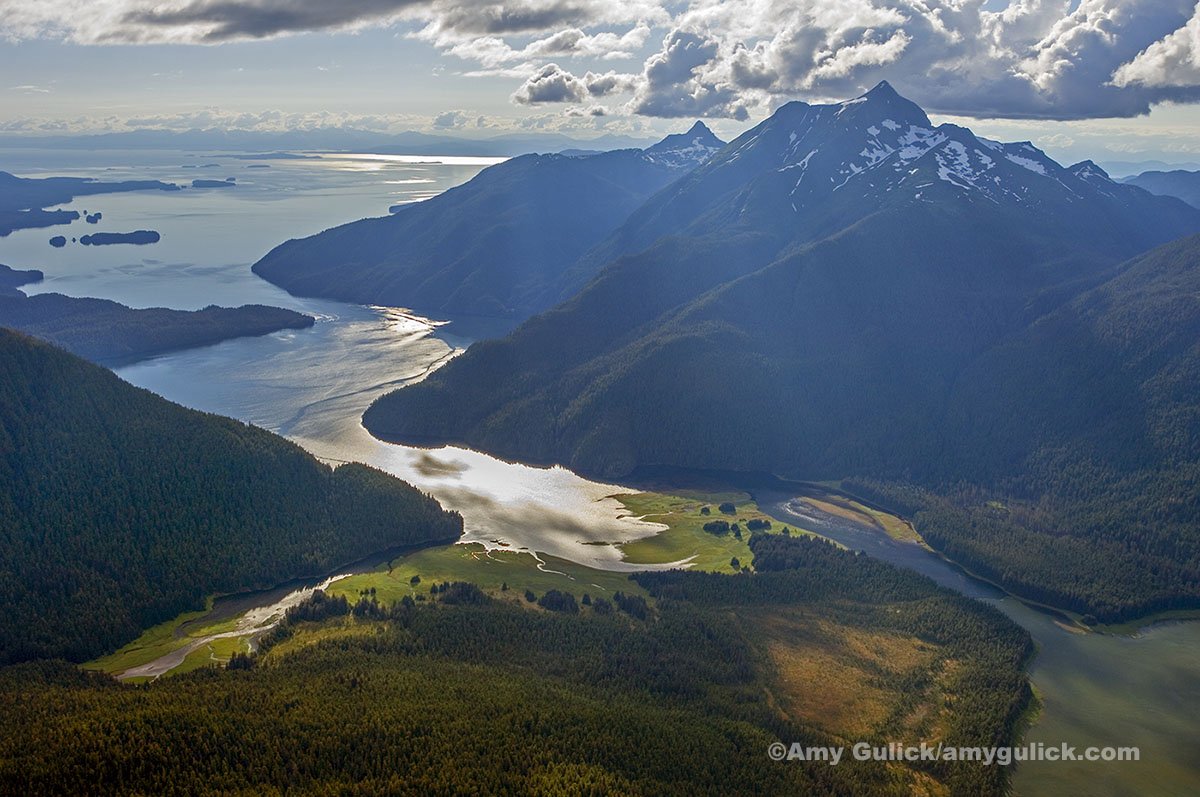
In January, Amy partnered with Lynda Mapes, author of Braided River’s ORCA: Shared Waters, Shared Home, formerly of The Seattle Times, to report on the pressing threat of logging in this sacred landscape. Target on Tongass: The Wildest National Forest May Soon Lose its Protections was supported by Braided River’s Overlooked & Untold Stories fund, a program supporting timely journalism in Alaska.
For more from Amy, join us for her dynamic multimedia presentation—The Salmon Run: Stories that Connect Us—as part of our From Awe to Action series at Town Hall Seattle! This evening features stories and vibrant images from The Salmon Way, in partnership with Save Our wild Salmon and Columbia Snake River Campaign, celebrating the people working to restore salmon runs and the ecosystem they sustain.
Event Details
Tuesday, September 29th at 7:30 PM
Learn more and purchase your tickets here.
We hope to see you at Town Hall and look out for more from our Featured Photographer series, highlighting the artists and storytellers helping us awe into action!
Braided River recognizes and appreciates the generosity of individuals and foundations that fuel our multi-media programs and partnerships.