Happy International Day of Climate Action!
Change begins with each one of us, individually and collectively. As the midterm election approaches, here are 10 ways you can take action to protect the Puget Sound and beyond:
Vote in local, state, and federal elections. Vote for candidates who believe in and contribute to the recovery of vital landscapes and wildlife. Learn about voter and Election Day registration deadlines in your state for the upcoming November 3rd midterms.
Hold your elected officials accountable through meetings, social media, phone calls, and emails. Ask them to develop and support conservation legislation, thank them for their work, and remind them of the social and economic benefits of a thriving environment.
Understand and support tribal treaty rights. Learn about Indigenous rights and sovereignty in Big River, Living River, Guardians of Life, and In the Spirit of Right and Respectful Relations.
Reward businesses that protect their homelands and their people. Certification programs identify business practices as positively impacting our lands and waters, from reducing single-use plastics and energy consumption to improving supply chain sustainability.
Eat local. Shop at farmers' markets to support local farmers and fishers who grow and harvest foods in ways that strengthen local economies, improve food security, and don’t harm the environment.
Support organizations working for positive change through financial contributions or volunteering.
Include and empower communities of color. As we work toward common goals, we must break down the structures that led to disproportionate impacts in the first place.
Empower young people.
Reduce your own impact. Small changes add up over time.
Experience the lands and waters you call home with someone you know. People are more likely to advocate for the environment if they develop a love for it through outdoor experiences.
Visit the We Are Puget Sound exhibit at the Point Defiance Zoo and Aquarium in Tacoma, WA, to make your action pledge in person!
Kicked Off From Awe to Action with The Salmon Run
© Amy Gulick
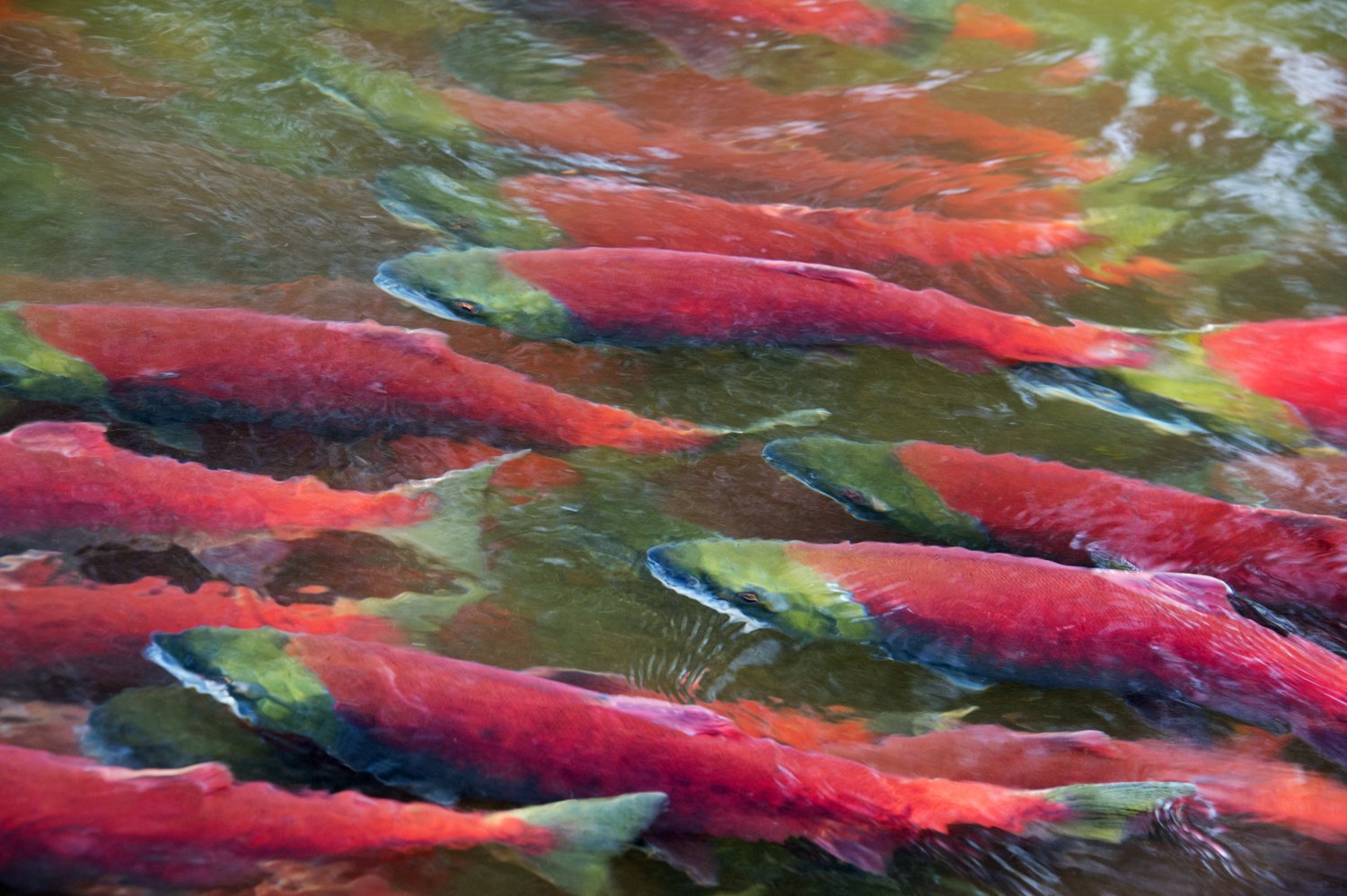
What is your relationship with salmon? Braided River author and photographer Amy Gulick had the audience reflecting on their connection to this remarkable fish at our From Awe to Action kickoff event at Town Hall Seattle.
Amy dove into Alaska's living landscape, where salmon give life to bears, trees, birds, and human communities. Though most of Western society live under the assumption that food will always be there—from your fridge to the supermarket—Alaska Native identities, cultures, and relationships revolve around sustainable fishing, hunting, and gathering, and passing these traditions on to the next generation. Salmon represent education, food, blessings, and more, and connection to the land, water, and animals is wealth. Here, coastal community-based fishing is rooted in family owned and operated vessels, in contrast with massive industrial operations.
Thank you to Town Hall Seattle for supporting this new series, and to Save Our wild Salmon, and the Columbia Snake River Campaign for your collaboration. Learn more about Alaskan landscapes and the web of human relationships that thrive on Pacific Salmon in Amy Gulick’s two award-winning books: Salmon in the Trees and The Salmon Way.
Join Us at Town Hall Seattle November 13th for In Right and Respectful Relations
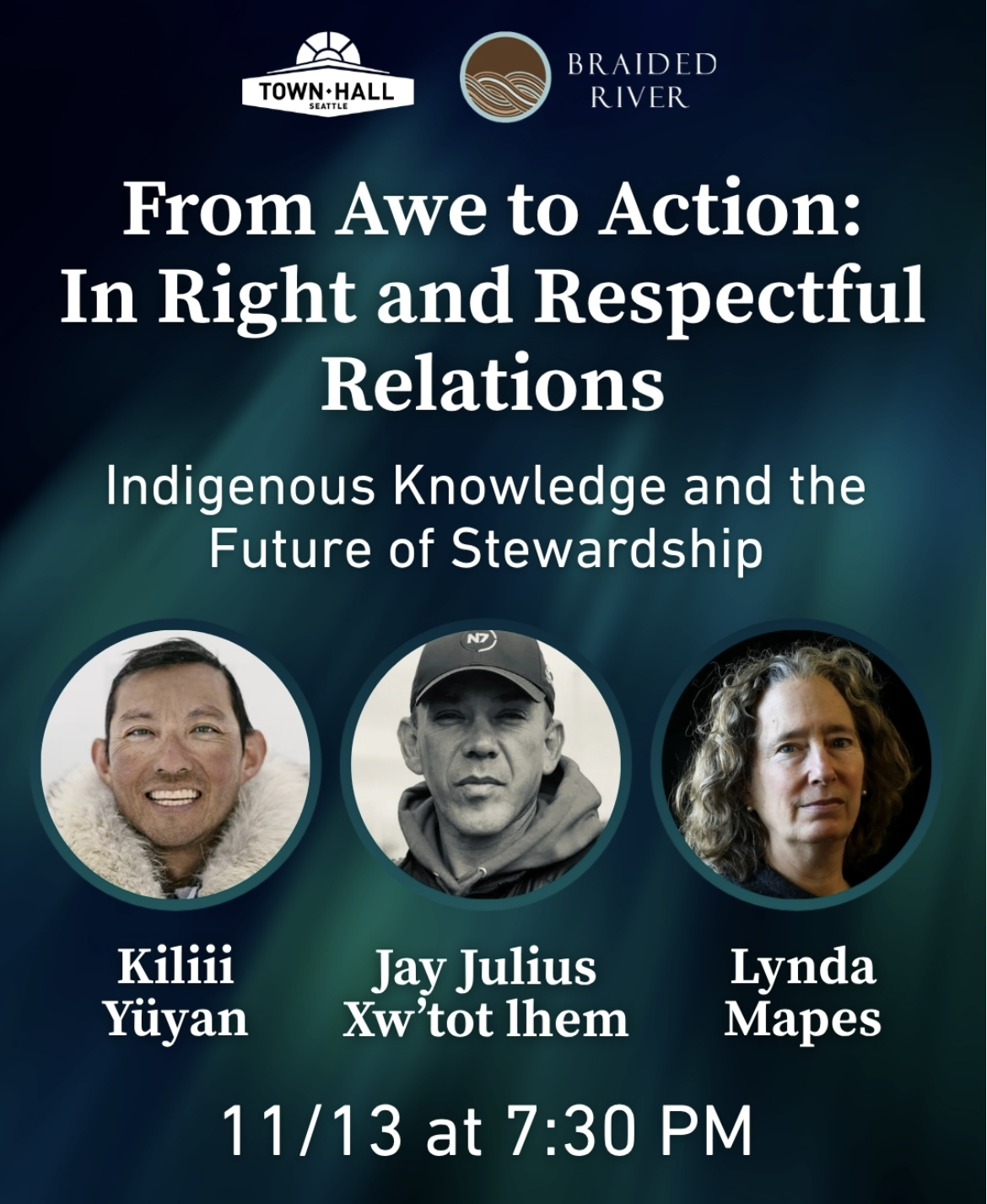
For countless generations, Indigenous peoples have cared for the lands and waters that sustain us all. Join us at Town Hall Seattle on November 13th for In Right and Respectful Relations: Indigenous Knowledge and the Future of Stewardship with Kiliii Yüyan and Jay Julius Xw’tot lhem.
This evening highlights stories of leadership, reciprocity, and the enduring relationships between people and place through Braided River campaignsGuardians of Life and In the Spirit of Right and Respectful Relations, moderated by Braided River author and environmental journalist Lynda Mapes. Learn more about In Right and Respectful Relations and purchase tickets here.
Award-Winning Campaigns with Purpose
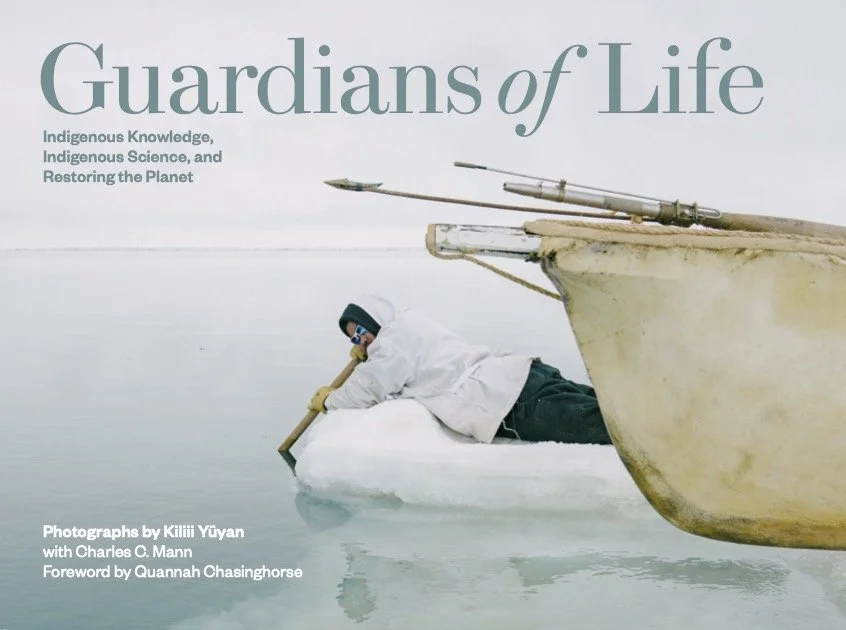
We are thrilled that Guardians of Life has been chosen by The Pacific Northwest Booksellers Association as one of the final 12 titles of the year from over 300 nominated books! The Pacific Northwest Booksellers Association is a nonprofit trade association that represents literacy, free speech, and independent bookselling across the Pacific Northwest, celebrating the vibrancy, sustainability, innovation, and inclusivity of the independent bookselling community. Please support the ongoing Guardians of Life campaign by purchasing your signed book and signed, limited edition print.
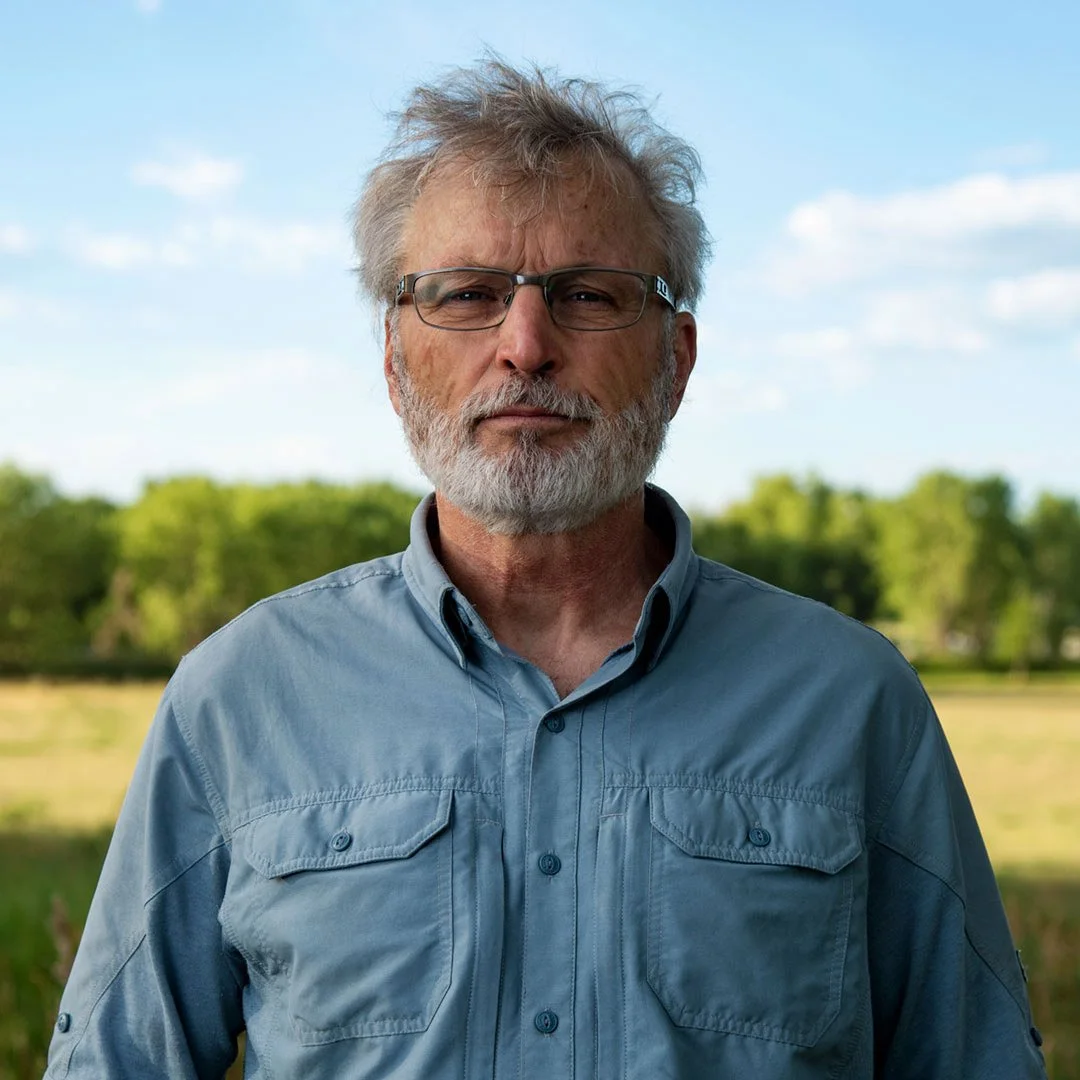
Headshot by Marla Ofstad.
Two-time Braided River author and photographer Dave Showalter has been honored with this year’s North American Nature Photography Association’s Environmental Impact Award! Since 1994, NANPA has promoted the art and science of nature photography as a method of communication, nature appreciation, and environmental protection. “The Awards Committee recognized the care with which he builds a visual narrative and the reach of his publications and presentations. His work combines compelling imagery with a commitment to changing how people understand and value the river systems around them.” Explore Dave’s campaigns, Living River and Sage Spirit.
New with Overlooked & Untold Stories: Native Nations Fight the 211-Mile Road That Could Transform Alaska's Arctic
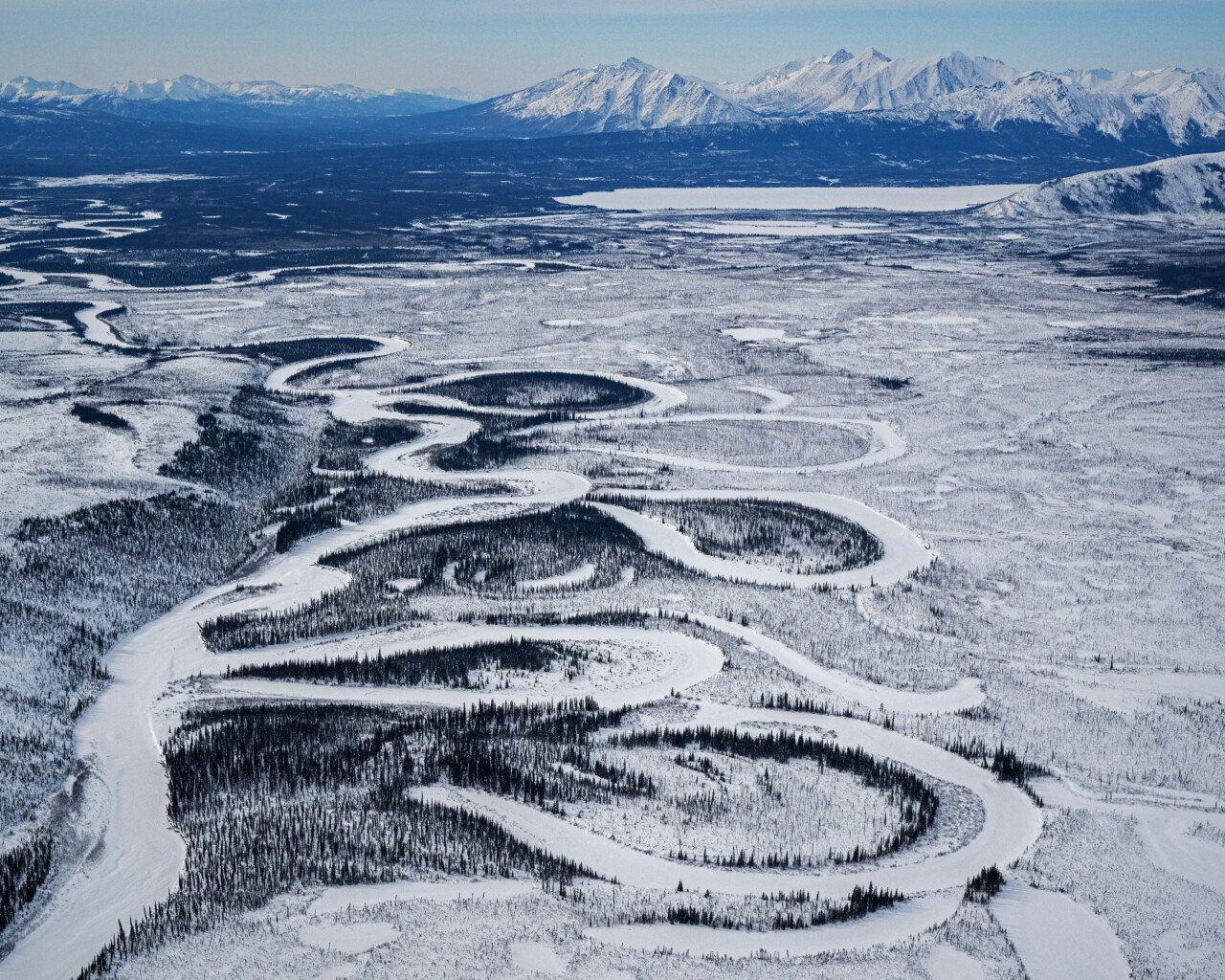
The Malamute Fork of the Alatna River, a river the Ambler Road Project would cut through. © Amy Gulick
A road changes everything in Alaska’s Arctic. The Ambler Road Project would build a 211-mile industrial haul road across the headwaters of 11 major rivers, through 26 miles of one of the nation’s largest national parks, and disrupt some of the most important caribou migration routes. Backed by the Trump administration, this project claims access to copper, silver, gold, lead, zinc, and other minerals in the Brooks Range. Read about the proposed mining road’s implications on the landscape, economy, and Indigenous communities in Native Nations Fight the 211-Mile Road That Could Transform Alaska's Arctic, by Braided River author Lynda Mapes, with photographs by Braided River author and photographer Amy Gulick. This Atmos piece is made possible by Braided River’s Alaska Journalism Grant, Overlooked & Untold Stories.
Conservation News: Trump Administration Guts the Endangered Species Act
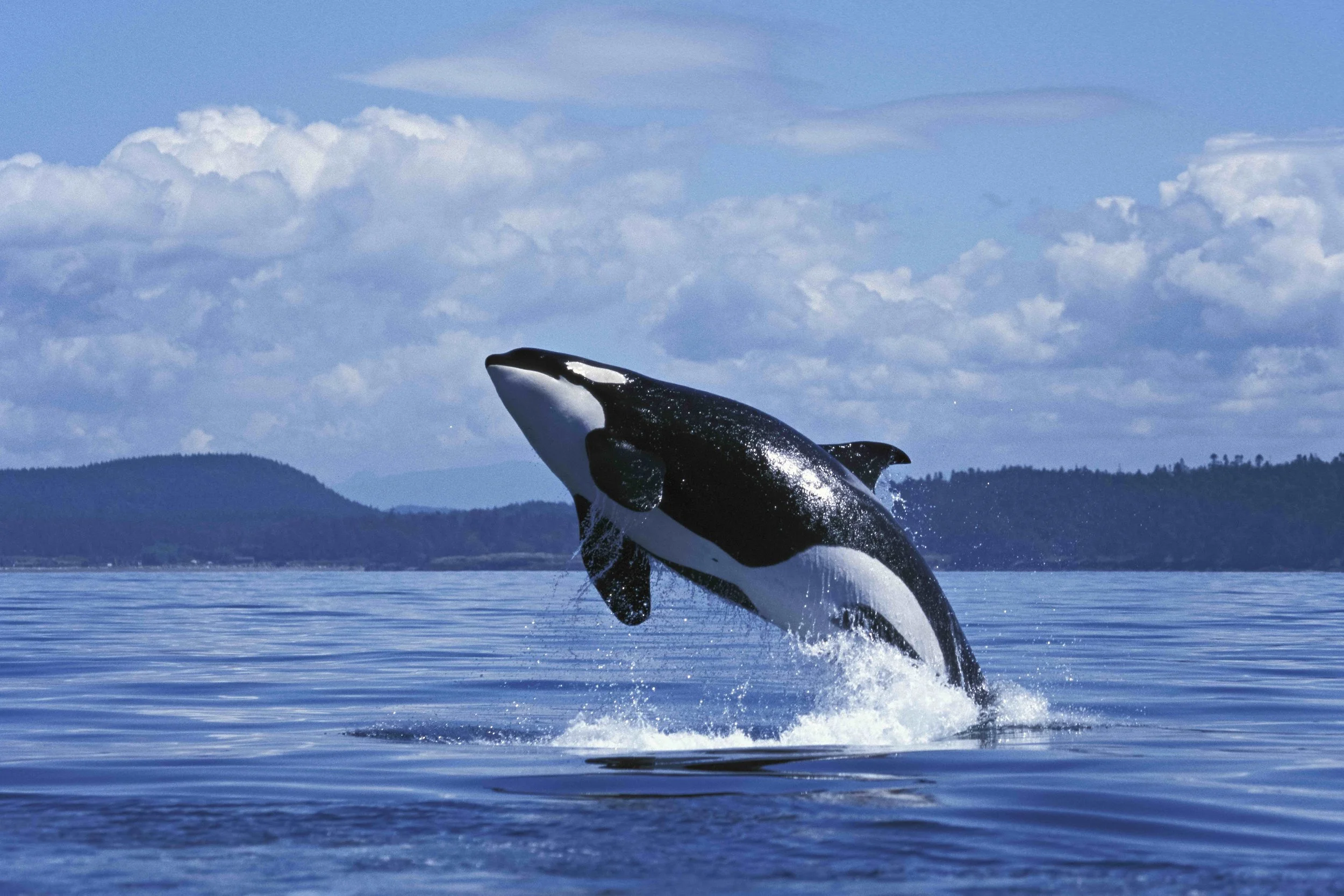
© Brandon Cole from We Are Puget Sound
For over 50 years, the Endangered Species Act has protected plant and animal species from extinction and preserved the lands and waters they depend on, including iconic Pacific Northwest species like Chinook Salmon, Southern Resident Orcas, and the gray wolf. The Federal protections have saved nearly 300 U.S. species from permanent extinction, rallying support from 84% of Americans.
Last month, the Trump administration gutted a core endangered species protection: modifying habitats where endangered or threatened species breed, feed, and shelter is no longer a federal offence. The administration also redefined “take” as the intentional killing of an endangered species, not holding industries or individuals accountable. Amid climate change that makes it increasingly difficult for species to adapt to rising temperatures and shifting ecosystems, this is another blow to the most vulnerable.
Learn more about what is at stake as the monumental conservation law shifts, and explore the ecological and cultural significance of critically endangered orcas and salmon in ORCA: Shared Waters, Shared Home and Big River: Resilience and Renewal in the Columbia Basin.
Action item of the month
Keep Oil and Gas Development Out of the Western Arctic
In May, the Alaska Oil and Gas Association requested the Trump administration rewrite the rules for oil and gas development in the Western Arctic. Since then, the administration has released its proposed rule, replacing project-by-project permittings with an unchecked rubber stamp approval of major oil and gas facilities and infrastructures. This proposal creates an opportunity for expedited approval, in as little as 60 days, aiming to allow the Bureau of Land Management to approve major projects with no regard for the significant harm to people and wildlife, like the Willow development. Despite neighboring communities, the public, and the Bureau of Land Management itself not knowing the true impacts of a project until it is proposed, this rule assumes approval of all projects that prioritize unchecked development.
At nearly 23 million acres with important habitat for caribou, polar bears, migratory birds and more, it’s simple—the stakes for development in America’s Arctic and all American public lands are high. Advocate for public involvement and meaningful review of projects in the public comment period open now until November 9th. Take action through our partners, the Arctic Defense Campaign and the Alaska Wilderness League.