Working with conservation photographers, Braided River has long played a role in bringing the stories and images of America’s Arctic to life. Although beauty is at our core, our purpose is to join and support the growing community of people working to protect these special lands. This month, there are two actions you can take.
© Florian Schulz
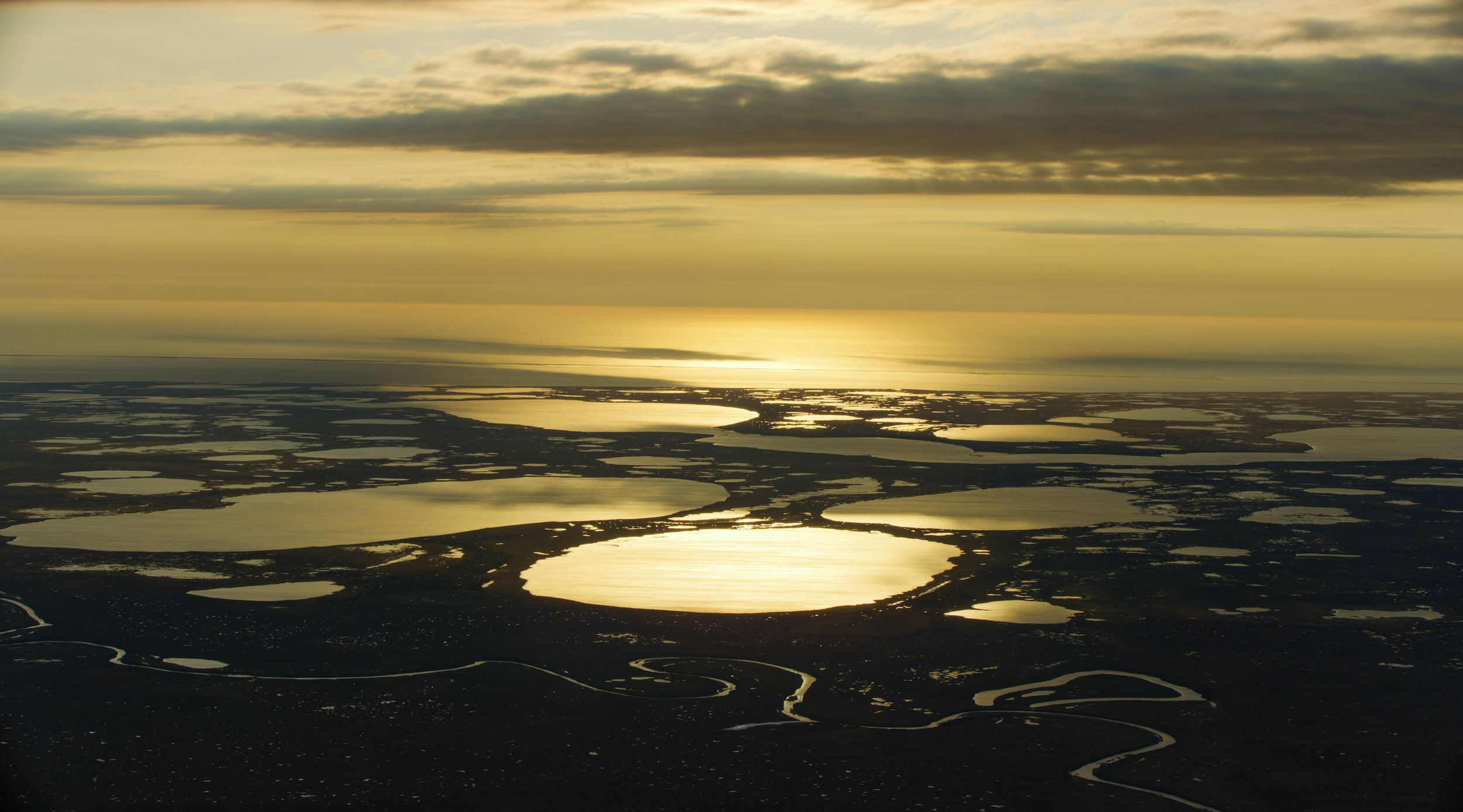
With 23 million acres of unbroken tundra, the Western Arctic is a breeding and foraging ground for millions of birds who migrate from six continents and all 50 states.
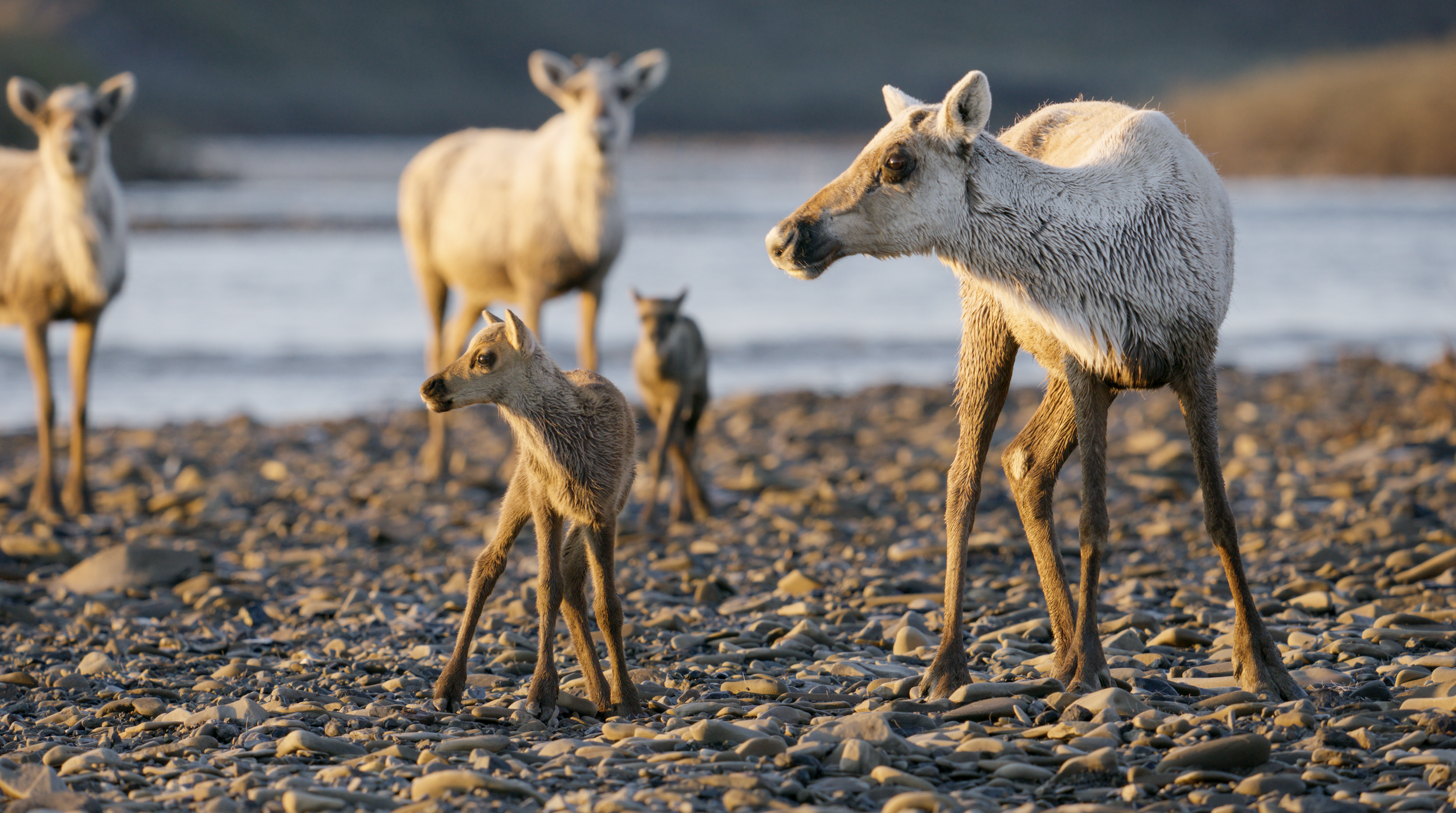
In the Arctic National Wildlife Refuge, the Porcupine Caribou Herd completes the longest land migration, traveling more than 1,500 miles to give birth to the next generation—a journey they have made for tens of thousands of years. Caribou are central to the Gwich’in people of the Arctic Refuge, providing food, clothing, tools, art, and culture.
© Florian Schulz
ACTION 1: Seismic Testing Puts America's Arctic at Unreasonable Risk
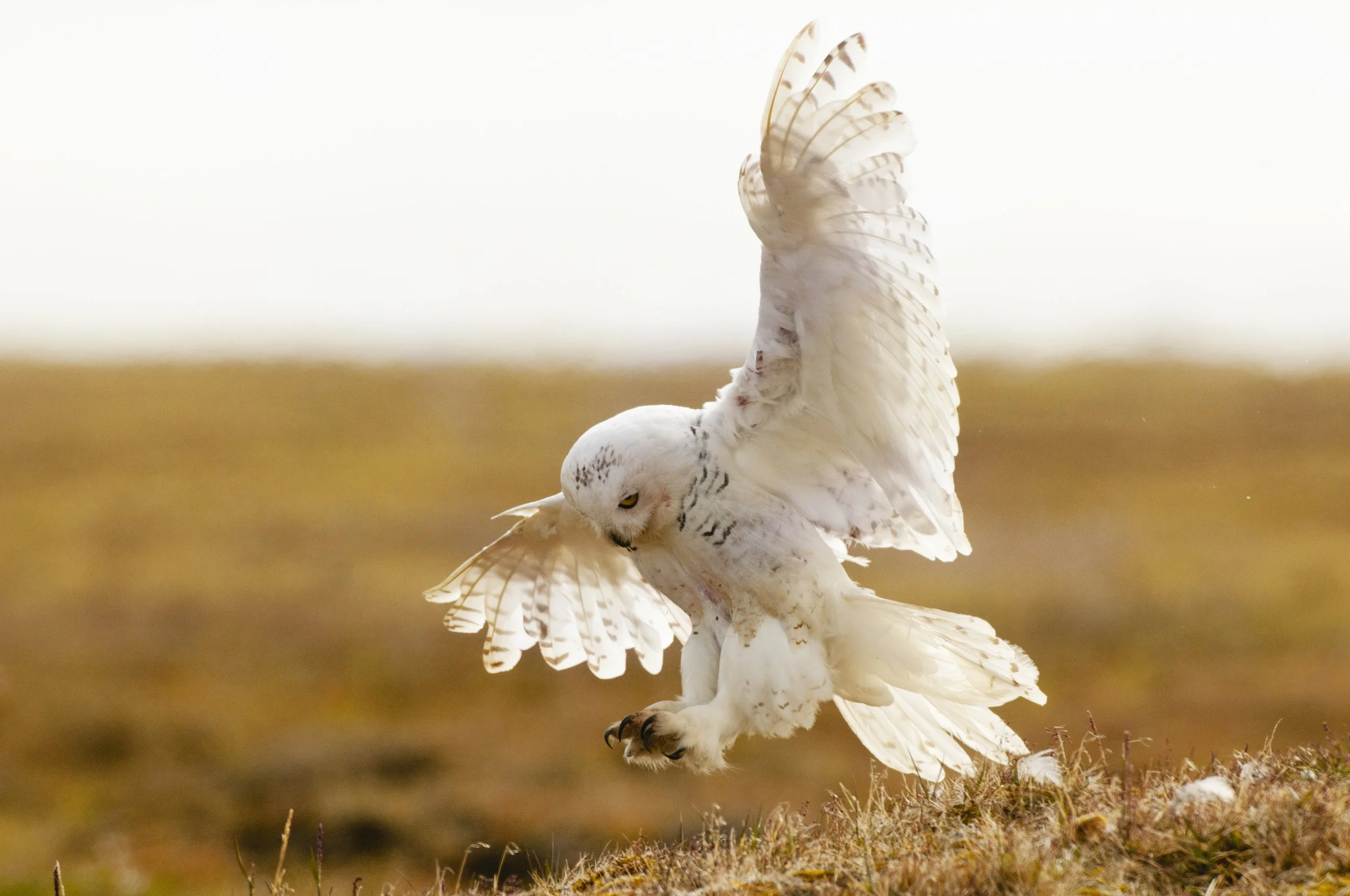
One of the world’s most important ecosystems, rich in biodiversity and culture, is at risk from seismic surveying without proper environmental impact assessment. America’s Arctic is a biodiversity hub, home to some of the country’s most iconic and largest species, from polar bears and caribou to muskoxen and hundreds of migratory bird species.
Roughly 1.33 million acres of the Western Arctic were newly leased in the March 2026 sale, and 72,000 acres of sensitive Coastal Plain were leased in the Arctic National Wildlife Refuge in June 2026. This fall, oil and gas corporations that have bid on Arctic leases will likely seek permits for seismic and exploration testing for this winter operating season and beyond.
The National Environmental Policy Act (NEPA) requires analysis of cumulative impacts from past, present, and reasonably foreseeable future actions. The concurrent leasing makes a landscape-scale seismic campaign reasonably foreseeable—not speculative.
Polar bears are particularly vulnerable to development, relying on the Coastal Plain to den, give birth, and raise their young. Denning polar bears are most at risk during seismic surveying, a process that uses 90,000-pound trucks to send high-pressure vibrations into the ground in search of oil. Seismic testing can cause dens to collapse or scare bears out of their dens, and results in permanent scars on the tundra that impact hydrology, plant life, wildlife migration routes, and more.
ADD YOUR NAME TODAY, and when the public comment period opens this fall, we’ll submit your name in opposition to seismic testing!
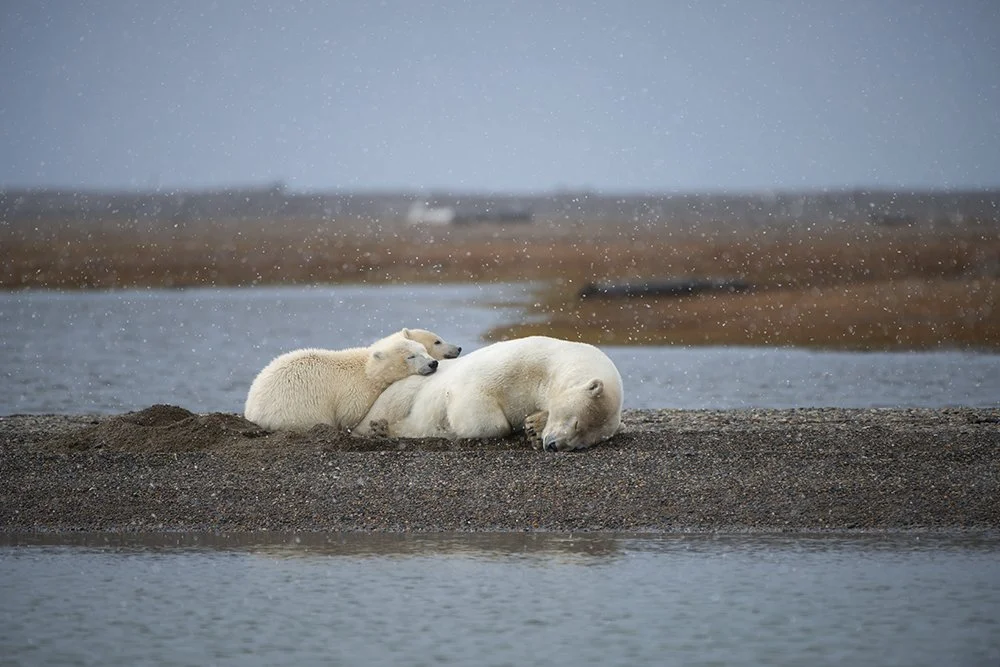
© Steve Kazlowski
ACTION 2: Keep the Public in the Process and Protect the Western Arctic
Pressure from the oil and gas industry to drill in and around this vital landscape has grown, and the administration is proposing rubber-stamp approval of development applications. Oil companies already have leases; now they are trying to write the rulebook. The proposal would weaken oversight, limit environmental review, speed approvals, and reduce public input for future development across the Western Arctic.
The future of the Western Arctic should be determined by the people, not by profit-seeking industry. The public comment period is now open until November 9th. Whether you care about wildlife, public lands, Indigenous communities, or accountable government, we need your voice to keep the momentum going!